Glaucoma Treatment – Protect Your Vision Before It's Too Late
Glaucoma is a group of eye conditions that can damage the optic nerve and gradually affect vision. Early diagnosis and timely treatment can help slow disease progression and protect your remaining vision.
Client's Satisfactions
Positive Rating
What Is Glaucoma?
Glaucoma is an eye condition in which the optic nerve becomes damaged, often associated with increased pressure inside the eye. The optic nerve carries visual information from your eye to your brain, so damage to it can lead to permanent vision loss.
Glaucoma often develops gradually and may not cause noticeable symptoms in its early stages. This is why regular eye examinations are particularly important, especially for people who have risk factors for glaucoma.
Once optic nerve damage has occurred, it cannot usually be reversed. However, appropriate treatment and regular monitoring can help control the condition and reduce the risk of further vision loss.
What Are the Symptoms of Glaucoma?
Some forms of glaucoma can develop without obvious warning signs. In other cases, symptoms may appear suddenly and require urgent medical attention.
Possible symptoms can include:
Gradual loss of peripheral vision
Difficulty seeing in low-light conditions
Blurred vision
Eye pain or discomfort
Redness of the eye
Halos around lights
Nausea or vomiting associated with sudden severe eye symptoms
Important: Early glaucoma may have no noticeable symptoms. Regular eye examinations can help detect changes before significant vision loss occurs.
Types of Glaucoma
Open-angle glaucoma is one of the most common forms. It generally develops slowly, and vision loss can begin in the peripheral field before becoming noticeable.
Angle-closure glaucoma occurs when the drainage angle of the eye becomes blocked or closes. A sudden increase in eye pressure can cause severe symptoms and requires urgent medical assessment.
In normal-tension glaucoma, optic nerve damage can occur even when measured eye pressure is within what is generally considered a normal range.
Secondary glaucoma can develop as a result of another eye condition, injury, inflammation, certain medications, or other underlying causes.
Who Is at Risk?
Who May Be at Higher Risk of Glaucoma?
Increasing Age
Family history of glaucoma
High eye pressure
Certain medical conditions
Previous eye injury
Long-term use of certain steroid medications
Certain anatomical characteristics of the eye
Previous eye surgery or other eye conditions
Having a risk factor does not necessarily mean that you will develop glaucoma. A comprehensive eye examination can help determine your individual risk.
Glaucoma Diagnosis
Measures the pressure inside your eye, also known as intraocular pressure (IOP).
The optic nerve is examined for signs of damage or structural changes.
Evaluates your peripheral and central vision to identify areas of visual field loss.
Optical Coherence Tomography can provide detailed images of the retinal nerve fibre layer and optic nerve structures.
Measures corneal thickness, which can be relevant when interpreting eye-pressure measurements.
Glaucoma Treatment
Glaucoma treatment is individualized according to the type of glaucoma, severity of optic nerve damage, eye pressure, visual field findings, and other patient-specific factors.
Prescription eye drops may be used to lower eye pressure by reducing fluid production inside the eye or improving its drainage.
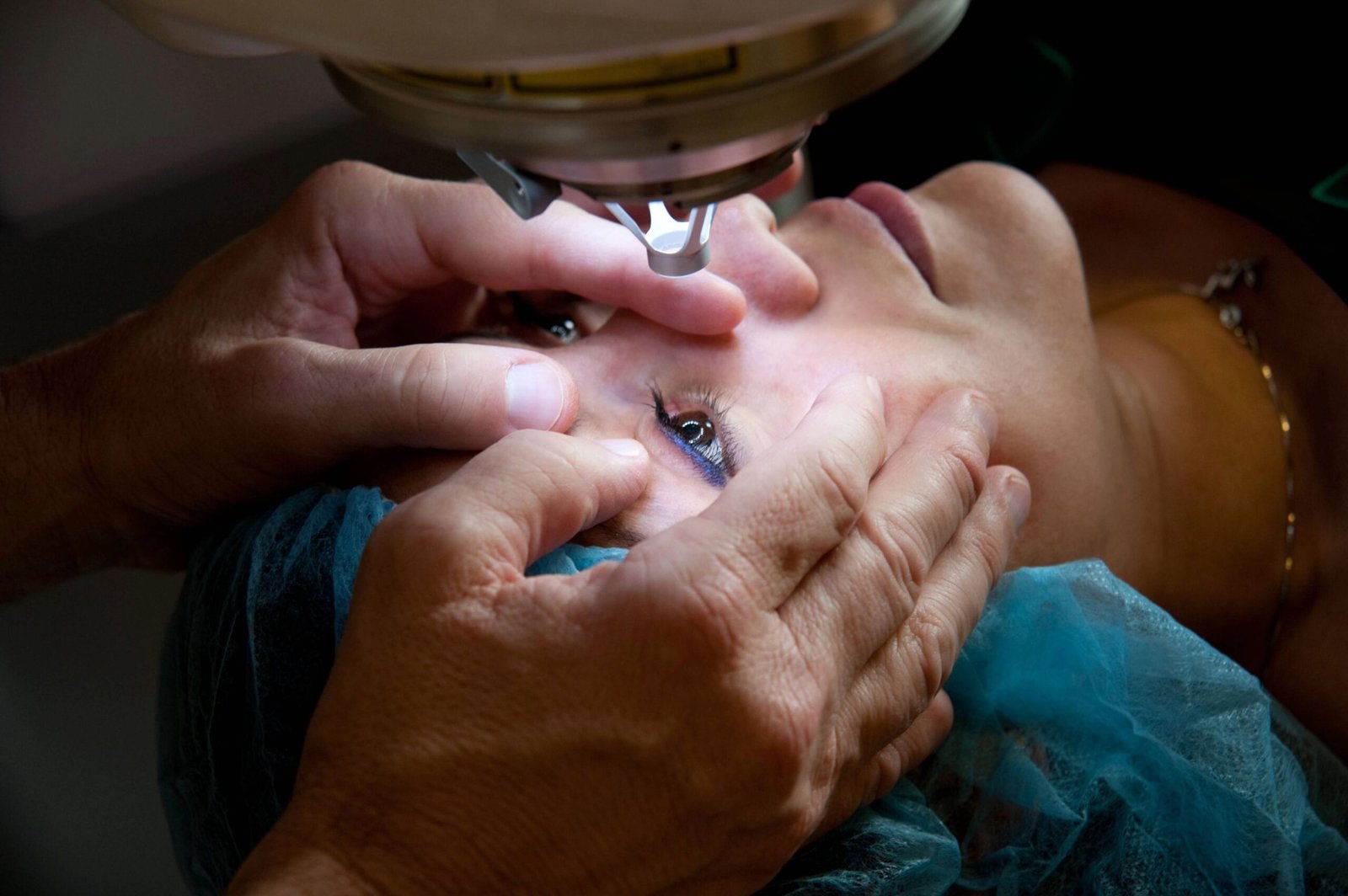
Certain types of glaucoma may be treated with laser procedures to improve fluid drainage or reduce eye pressure.
When medication or laser treatment does not provide adequate pressure control, surgical treatment may be considered.
The appropriate procedure depends on the patient's diagnosis and individual circumstances.
Glaucoma is generally a long-term condition. Regular examinations help monitor eye pressure, optic nerve health, visual fields, and treatment response.
We help you understand treatment options and guide you through eligible insurance and care coordination.